

Best Rifle Scopes For Labor Day 2026
🏆 Top Picks at a Glance
 #1
Best Overall
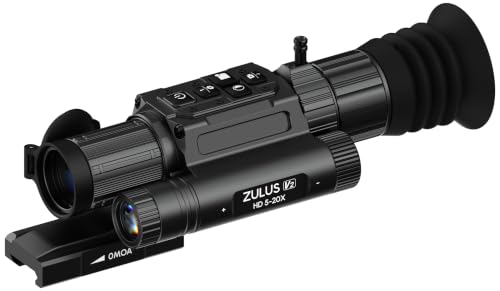
DNT Optics Zulus HD V2 5-20x Digital Day Night Vision Rifle Scope with Built-in Infrared for Hunting
$499.99
Check Price → #2
Runner Up
MidTen 4-16x50 AO Hunting Rifle Scope Dual Illuminated Optics & Illuminated Sight 4 Holographic Reticle Red/Green Dot Sight & Laser Sight & Flashlight
$95.99
Check Price → #3
Best Value
ATN X-Sight 5 Smart Day/Night Gen 5 Scope w/Ballistics Calc, 12MP Resolution, Video Record, Wi-Fi, 14hrs+ Battery
$599.0
Check Price →At 5 AM, with cold hands and a deer stepping out of black timber, the right scope is the one that gives you a clean aiming picture—not the one with the longest feature list. This Labor Day 2026 roundup takes a field-minded look at five very different optics: the ATN X-Sight 5 and DNT Zulus HD V2 for digital day/night work, MidTen’s heavily accessorized 4-16x50, and CVLIFE’s 6-24x50 and straightforward 3-9x40. The North American Deer Hunter guide says its evaluations focus on real-world clarity, durability, ballistic performance, and value; its June 12, 2026 guide also says many average deer hunters can find suitable scopes in the $300-$500 range, while specialized long-range models can cost less than $1,000 (nadeerhunter.com). We’ll separate useful capability from gimmicks, whether you’re sighting in for rifle rut season, checking a field edge during spring turkey or waterfowl season, or packing dependable gear for an early-season archery hunt.
Affiliate disclosure: We may earn a commission if you buy through links in this roundup, at no extra cost to you.
⚡ Quick Answer: Best Rifle Scopes
Best for Smart Ballistics: ATN X-Sight 5 Smart Day/Night Gen 5 Scope w/Ballistics Calc, 12MP Resolution, Video Record, Wi-Fi, 14hrs+ Battery
$599.0 — Check price on Amazon →
Table of Contents
Main Points
- Start with the hunt and shooting distance, not the highest price. North American Deer Hunter recommends choosing a scope around your actual needs rather than cost alone, noting that competition has improved mid-priced optics and that $300-$500 is a practical range for many average deer hunters; specialized long-range scopes can be found below $1,000 (nadeerhunter.com).
- For conventional daytime deer hunting, the CVLIFE 3-9x40 is the simplest starting point in this group, while the CVLIFE 6-24x50 and MidTen 4-16x50 make more sense when you genuinely need additional magnification. Maximum power is not automatically better in thick timber or a fast rifle-rut encounter, so prioritize a usable field of view, comfortable eye relief, secure mounting, and a reticle you can find quickly.
- Choose digital day/night capability deliberately. The ATN X-Sight 5 adds a ballistic calculator, 12MP recording, Wi-Fi, and an advertised 14-plus-hour battery, while the DNT Zulus HD V2 offers 5-20x digital day/night viewing with built-in infrared. In freezing dawn conditions, battery management, controls, startup time, and a confirmed zero matter as much as the feature list; always check local rules before using night-vision equipment for hunting.
- Treat the MidTen’s illuminated reticle, red/green dot, laser, and flashlight package as a specific use-case choice—not a free performance upgrade. Extra accessories can mean more weight, batteries, snag points, and sighting chores; for a clean 5 AM deer setup, clear glass, durable mounting, and a readable reticle matter more than novelty.
- Before season opens, shoot the exact hunting load, verify the mounts, and test illumination or digital controls in realistic low-light conditions. The Big Game Hunting the product's comparison of 17 hunting scopes names the Leupold VX-5HD 3-15x its most versatile pick, reinforcing that versatility comes from useful field performance rather than maximum magnification (thebiggamehuntingblog.com); when comparing delivered cost, remember that The Optic Zone advertises free ground shipping on orders over $199.99 (theopticzone.com).
Our Top Picks
Affiliate disclosure: if you buy through these links, we may earn a commission at no extra cost to you.
Factors to Consider
Frequently Asked Questions
What magnification is best for deer hunting?
For most whitetail hunting, 3-9x or 2-10x provides a useful balance of field of view, speed, and reach. Hunters in open country may appreciate a 3-15x scope, but most shots still happen at the lower settings, especially in timber and during the rifle rut.
Is a $300-$500 rifle scope enough for whitetail hunting?
For many average deer hunters, yes. The North American Deer Hunter guide identifies $300-$500 as a practical scope range, provided the optic offers dependable clarity, durability, and tracking instead of charging extra for features you will never use.
Can I get a good long-range hunting scope for under $1,000?
Yes, the North American Deer Hunter guide notes that specialized long-range rifle scopes are available for under $1,000. Focus on reliable adjustment tracking, a suitable reticle, parallax control, and enough eye relief before chasing extreme magnification.
Is an illuminated reticle worth the extra money?
An illuminated reticle is useful when a standard reticle blends into dark timber, heavy cover, or a shadowed animal at first or last legal light. It is less valuable in bright open-country conditions, and it should be treated as a visibility aid rather than a substitute for clear glass or proper shot placement.
What is the difference between a first-focal-plane and second-focal-plane scope?
A first-focal-plane reticle changes size with magnification, so its holdover marks remain accurate throughout the power range. A second-focal-plane reticle stays the same apparent size and is often simpler for ordinary deer hunting, but its holdover marks are calibrated for a specific magnification.
Are rangefinding or smart rifle scopes worth buying?
They can be helpful for hunters who regularly shoot across open country and want distance information or ballistic assistance built into the optic. They also bring battery dependence, extra weight, more setup, and more points of failure, so a conventional scope paired with a separate rangefinder may be the better choice for a dependable rifle-rut setup.
How should I compare rifle-scope brands and retailers?
Compare product families by glass quality, adjustment reliability, warranty service, reticle design, eye relief, and the distances at which you actually hunt. The Big Game Hunting Blog covers 17 hunting rifle scopes across value tiers and specialized categories and names the Leupold VX-5HD 3-15x as its most versatile hunting scope, but one reviewer’s winner should still be checked against your terrain and cartridge. Retailer terms matter too; The Optic Zone advertises free ground shipping on orders over $199.99, which can improve the total price of a complete optic purchase.
Conclusion
For most Labor Day 2026 deer hunters, I would choose the ATN X-Sight 5 Smart Day/Night Gen 5 Scope w/Ballistics Calc, 12MP Resolution, Video Record, Wi-Fi, 14hrs+ Battery, provided its digital features fit your hunting style. If you prefer a conventional optic, consider the CVLIFE 3-9x40 Rifle Scope, Red & Green Illuminated Optical Riflescope, Mil-dot Reticle Scope for Hunting with Mounts instead, then spend the rest on zeroing ammunition and practice from field positions. No illuminated reticle, rangefinder, or smart system can replace a steady rest and an ethical decision.


