

Hunting Optics Buying Guide: What to Look For in 2026
🏆 Top Picks at a Glance
 #1
#1
Best Overall
Our Top Picks
Affiliate disclosure: if you buy through these links, we may earn a commission at no extra cost to you.
DNT Optics Zulus HD V2 5-20x Digital Day Night Vision Rifle Scope with Built-in Infrared for Hunting
$499.99
Check Price →
#2
Runner Up
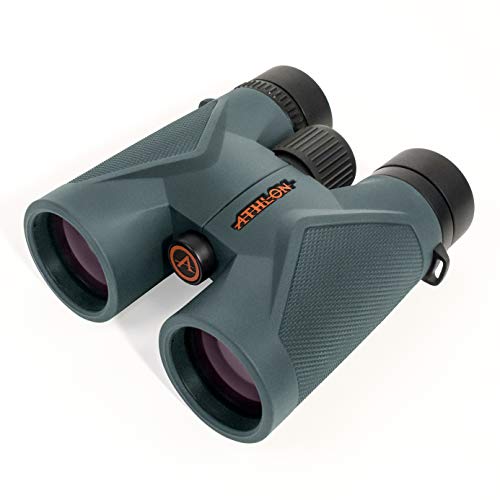
Athlon Optics 8x42 Midas UHD Gray Binoculars with ED Glass for Adults and Kids, High-Powered Binoculars for Hunting, Birdwatching, and More
$225.0
Check Price → #3
#3
Best Value
MidTen 4-16x50 AO Hunting Rifle Scope Dual Illuminated Optics & Illuminated Sight 4 Holographic Reticle Red/Green Dot Sight & Laser Sight & Flashlight
$89.99
Check Price →⚡ Quick Answer
Having a reliable pair of hunting optics is the difference between a successful hunt and a missed opportunity, especially when the weather’s cold at 5 AM or the rut is heating up. Over decades in the field, I’ve learned that choosing the right scope, binoculars, or rangefinder isn’t just about brand name—it's about matching gear to your hunting style, terrain, and the conditions you'll face. In 2026, the options are smarter and more feature-rich, but don't get dazzled by gimmicks. Let’s cut through the noise and look at what really matters in your gear selection.
Table of Contents
If you’re chasing deer during the rifle rut, scouting turkey fields in spring, or stalking waterfowl at dawn, your optics need to perform consistently—clear images, rugged build, and accurate range estimates. This guide is built from real-world experience, helping you make informed decisions so you’re not fumbling with useless features when every second counts in the woods or marsh. Ready to upgrade your sighting game? Let’s dive in.
DNT Optics Zulus HD V2 5-20x Digital Day Night Vision Rifle Scope with Built-in Infrared for Hunting
$499.99Check PriceChoosing the Right Binoculars
Binoculars are your eyes in the field—no matter if you're glassing from a tree stand or inches away from a turkey strut. When selecting a pair, consider magnification (the number before the 'x') and objective lens size. For most whitetail hunting, 8x42 or 10x42 models strike a good balance—bright, sharp images in low light, and manageable weight. Early season archery in dense woods demands quality glass to pick out movement; waterfowlers at dawn benefit greatly from larger objectives and better low-light performance.
Tip: Look for binoculars with dielectric coatings on prisms—these improve image brightness and contrast, especially vital in overcast mornings or thick cover. Also, consider the weight; you’ll be holding these for hours in a tree or on foot, so comfort is key.
Selecting a Rifle Scope for Different Seasons
Scope choice hinges on your hunting season. For the early archery season at dawn—when shadows are long, and visibility is low—a scope with a larger objective lens (56mm or 50mm) and illuminated reticles can make all the difference. During the rut, when shots can come at any range, a variable power scope (3-9x or 4-12x) provides versatility—zoom in for distant deer, back out for closer shots.
Durability and optical clarity are non-negotiable. Look for scopes with multi-coated lenses, which reduce glare and improve light transmission—crucial at first light or in snowy/waterfowl environments. In cold weather, hash marks or ballistic reticles help quickly estimate holdovers, saving time in a moment of urgency.
Understanding Rangefinders & Their Critical Features
Rangefinders are game-changers—literally. When stalking through fields during waterfowl or setting up for a shot at 400 yards, knowing exact distance is essential. The best models in 2026 combine speed, accuracy, and ease of use, even in cold, wet conditions. Look for units with short sweep times, clear displays, and reliable readings on reflective and non-reflective surfaces like open fields or thick timber.
In practical terms, a rangefinder with integrated ballistic info—like angle compensation—shaves precious seconds off your shot prep. This feature matters more than ever at steep angles or in snow, where line-of-sight distances can be misleading.
Additional Optics & Accessories to Know
Beyond binoculars and scopes, there are other optics and gear that complement your setup—like trail cameras, field dressing kits, or even high-quality skins and camouflage. For instance, a good spotting scope can help at waterfowl ponds, while a quality tripod stabilizes your binoculars when glassing across long distances. A durable, weather-resistant carrying case preserves your optics during those long hunts, from early October mornings to snowy December days.
Remember, the best optics are the ones you can count on in the coldest, earliest hours—so prioritize ruggedness and clarity. And don’t overlook basic accessories: lens covers, cleaning cloths, and extra batteries keep your gear functioning when moisture and cold threaten your game.
Frequently Asked Questions
What magnification do I really need for deer hunting?
8x or 10x is typically enough. Higher magnification offers more detail but can be harder to stabilize, especially when holding without a tripod. For most hunters, 8x42 provides a good mix of clarity and manageability.
Are expensive scopes worth it?
In most cases, yes. Higher-end scopes with multi-coated lenses, better durability, and precise adjustments gain you clarity in tough conditions and more reliable results. However, focus on features that match your hunting style rather than brand names.
How important is low-light performance?
Crucial. Deer move at dawn and dusk, and good optics with large objectives and high-quality coatings will help you see what others can’t. Never underestimate the value of a clear image in poor visibility conditions.
Should I get a rangefinder with angle compensation?
Definitely—especially if you hunt on hilly terrain. It adjusts your distance based on the angle, giving you more accurate holdovers and shot placement over uneven ground.
What’s the most overlooked feature in binoculars?
Eye relief—especially for glasses wearers. Longer eye relief prevents strain during extended glassing sessions and gives a wider field of view.
When do I need waterproof or fogproof optics?
Always. Hunting environments are unpredictable. Rain, snow, or humidity can fog up lenses or damage delicate components. Invest in waterproof, fogproof gear; it’s worth the extra cost.
Choosing the right optics in 2026 isn’t complicated once you focus on durability, clarity, and matching features to your specific hunts. With quality gear, you'll find the boost in confidence and precision when stalking through early season woods or sitting in a blind at dawn. The right investment today pays dividends on your next big trip in the field.
Start by assessing your typical hunting scenarios, then pick optics that meet those needs without gimmicks. Read reviews, test in field conditions when possible, and don’t rush the decision—your next successful hunt depends on it.


