

Best Hunting Optics for Everyday Use
Our Top Picks
Affiliate disclosure: if you buy through these links, we may earn a commission at no extra cost to you.

Factors to Consider
Light transmission and twilight performance
⚡ Quick Answer
In the predawn hours of early-season archery or the long walk to a waterfowl spread, light is the currency that keeps your sights sharp. Prioritize glass with high-quality coatings and proven light transmission, so your reticle looks clean and the image isn’t washed out as the sun climbs. Field-tested setups show fully multi-coated or dielectric coatings help you hold a clean sight picture at first light without turning the image into glare in midday sun.
Table of Contents
Reticle design and turret precision
The reticle should give you quick holds without clutter, whether you’re threading a bolt through open timber or dialing for a long shot across a barley field during rut. Duplex, BDC, or mil-dot patterns each have strengths; pick one that matches your most common shots and your ballistic needs. Turrets must track predictably and offer a reliable zero-stop so you don’t chase zero after a cold morning in the stand or a long push through briars at first light.
Durability, weather sealing, and fogproofing
Weather sealing isn’t optional when you’re hunting in damp blinds or rain-spattered mornings. Look for true waterproofing, fog-proof nitrogen or argon purge, and rugged armor that can shrug off a bump or two from a tree limb. In the roost, a fogged lens or a loose seal will ruin a shot more than any miscalibrated turret, so durability pays dividends across turkey woods and duck blinds alike.
Size, weight, and mounting compatibility
Weight and balance matter when you’re hiking into a stand or crawling into a ground blind before dawn. Decide between 1-inch and 30mm tubes based on your rifle and mount, then consider overall length and weight to keep the rifle handling steady in cold air. Make sure the chosen scope fits your rings, your rail, and your cheek weld—stock stability matters as much as glass clarity in a 5 AM hunt.
Special features that actually matter in the field
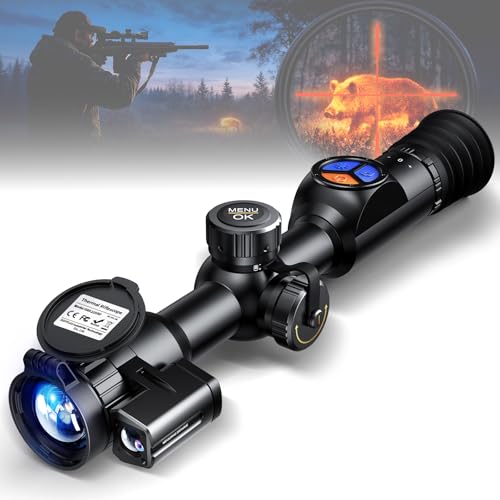
Illuminated reticles can speed target acquisition in dim light, but test reliable battery life and glove-friendly controls before you rely on them all season. Built-in rangefinders or ballistic calculators save seconds under pressure, yet they add cost and weight—only you know if that trade-off is worth it for your backcountry hunts or tight blinds. Prioritize features you’ll actually use on a daily hunt, like parallax adjustment, comfortable eye relief, and solid water/dust resistance rather than bells and whistles that collect dust.
From early season archery in dense timber to rifle rut hunts across open fields, the right optic distills field reality into a clear, fast sight picture. Pick glass that stays bright, holds zero, and won’t quit when you’ve got a 5 AM alarm and a cold wind biting at the cheek.
Frequently Asked Questions
What magnification should I choose for everyday hunting in timber vs open country?
In thick timber and brush, lower magnifications (1-4x) with a wide field of view help you locate game quickly at close range. For open country or longer shots during rifle season, a 3-9x or 4-12x setup gives you flexibility while still staying usable in dynamic situations like chasing birds across a field or tracking a buck through sparse pines.
Are illuminated reticles worth it for dawn and dusk hunting?
Yes, in low-contrast early light they can speed target acquisition, but test battery life and switch accessibility with gloves. If you hunt in seriously cold mornings, ensure you can power down to save charge and that the control is easy to reach without exposing digits to the cold.
Should I buy a 1-inch tube or a 30mm tube?
30mm tubes are stiffer and offer slightly better light transmission in higher-end models, which can matter on long marches to blinds or late-season hunts. If your rifle and budget don’t demand extra rigidity, a high-quality 1-inch tubed scope can still deliver superb performance and lighter weight.
Is a built-in rangefinder or ballistic calculator worth it?
For quick, on-the-move decisions—especially waterfowl ranges or open-country rifle shots—rangefinders and ballistic apps can save seconds and keep your shot ethics in line. They add cost and battery management considerations, so decide if the benefit aligns with how you hunt most often.
How important are lens coatings and glass quality?
Very important. Field research and practice hunts show that fully multi-coated or high-end dielectric coatings reduce glare and improve edge-to-edge sharpness, reducing eye strain over long sessions in cold mornings. It’s worth prioritizing glass quality over fancy but gimmicky features that don’t hold up in the field.
What maintenance or care is needed for optics in freezing, wet mornings?
Keep lenses clean and dry, and choose optics with proper fog-proof sealing. In cold conditions, dew can condense quickly on glass; store lenses in a dry pouch and use anti-fog wipes. Regularly check seals and purge gas if you re-pack a scope after a wet morning so you don’t pay for it at last light.
Is there a real benefit to premium optics over budget options for everyday use?
Premium optics generally offer better light transmission, more durable coatings, and longer-term reliability, which matters when you rely on a scope across multiple seasons. For many hunters, a mid-range scope with solid coatings, good eye relief, and sturdy turrets delivers the best balance of performance and cost.


