

How to Select the Best Ground Blind for Spring Turkey Hunting on Small Properties in 2026
As a seasoned hunter who’s spent countless early mornings battling cold dawns and stalking wary gobblers, I know that your gear can make or break your day afield. When it comes to spring turkey hunting—especially on small properties—your ground blind isn't just a shelter, it's your stealth and comfort rolled into one. Picking the right blind helps you conceal yourself, stay warm, and react naturally whenever that tom shows up. With hunting gear evolving rapidly and new innovations coming out each year, 2026 is the perfect time to review what really matters in a ground blind for tight, challenging setups.
Our Top Picks
Affiliate disclosure: if you buy through these links, we may earn a commission at no extra cost to you.

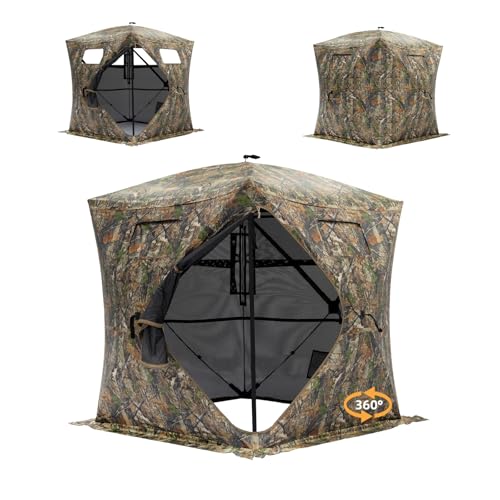
In this guide, I’ll steer you through everything from size considerations to concealment, durability, and setup essentials so you can confidently choose a blind that performs when it counts—early mornings, chilly trees, and cautious birds. Whether you're a casual backyard turkey hunter or a passionate, small-property stalker, the right blind can turn those frustrating days into your best Spring yet.
TIDEWE Hunting Blind 270°See Through with Carrying Bag for Turkey Hunting, Pop Up Ground Blinds, Portable Resilient Hunting Tent (2-3 Person)
$104.99Check Price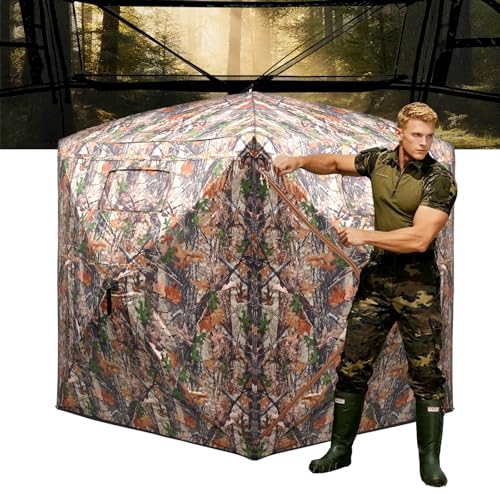
Table of Contents
Understanding the Terrain and Property Size
First off, your choice hinges heavily on your hunting environment. Small properties—say, a 10 to 20-acre lot—mean you can't be overly mobile or portable like in big public land. Instead, your focus should be on concealment and spot-and-stalk tactics. If your property has thick underbrush, open fields, or a mix of both, you need a blind that blends seamlessly into these surroundings. Look for models with camouflage patterns tailored to your terrain—be it deciduous woods, marshes, or grasslands.
In tight spaces, a larger blind can be a liability; it risks catching movement or making your setup more detectable. For small properties, a compact, low-profile blind often works best because it allows you to remain hidden while still offering enough space for a seat, gear, and easy movement when needed.
Size and Portability: What Fits Your Hunt?
When hunting on small properties, mobility often trumps bulk. A blind that’s too cumbersome can limit your ability to quickly reposition, which is essential when a gobbler is moving and you need to pivot fast. Look for lightweight, foldable models that can be carried comfortably on a single shoulder or in a backpack. Many newer blinds break down to size small enough to stash in a gear bag or even a large backpack, which is a game-changer for quick setups in tight spaces.
Tip: Don't just consider the size when folded—lay out the assembled blind and check if it fits the terrain you'll hunt. Ensuring it’s not overly tall or wide helps in avoiding accidental detection and makes sneaking into the setup less conspicuous.
Concealment and Camouflage
Spring turkeys are sharper than a razor in March and April—they see you long before you see them. The quality of your camouflage is non-negotiable. Modern blinds come with patterns developed specifically for turkey woods and early-season greens, browns, and mosses. Some brands even feature 3D foliage or customizable panels that can be wrapped with natural materials like leaves or brush for extra disguising detail.
Remember, a blind that’s just a shell won't cut it. The key is to break up the outline and blend into the environment seamlessly. Bring along some natural elements—branches, leaves, or even grass—to drape over the blind for that extra edge. Beware of shiny materials or bright prints that can catch the sun and give you away—the less apparent, the better.
Pro Tip: Use scent-control materials and avoid synthetic patterns that scare birds by reflecting light differently from natural surroundings.
Durability and Weather Resistance
Early spring mornings can be brutal—damp, chilly, and windy. Durability isn’t just about lasting several seasons; it’s about holding up in real weather. Look for blinds made from rugged, waterproof fabrics or coatings that resist wind-driven rain and morning dew. Frame materials should be sturdy—aluminum or heavy-duty steel that can withstand windy days without shaking apart or collapsing.
It’s worth investing in a blind with reinforced seams, UV-resistant fabrics, and good quality zippers. A waterproof blind means staying dry, and a rust-proof frame avoids that irritating squeak just when a boss gobbler is strutting into your setup.
Pro Tip: Check for a rain fly or optional netting for added protection in heavy downpours. Staying dry and comfortable will keep you alert and ready to call that next Toms in tight, early-season cover.
Ease of Setup and Mobility
When you’re slogging through muddy fields or navigating dense undergrowth, a complex, heavy blind is a recipe for frustration. The best blinds of 2026 feature push-button fold systems, color-coded assembly parts, and lightweight frames that can be deployed quickly—often in under 5 minutes. Practice setting yours up beforehand, so you're not fiddling with it in the dark or in cold rain.
Tip: Look for blinds with wide, silent doors or panels—zippers should cooperate quietly, so you can sneak in undetected. Also, check if it has features like stakes or sandbags to keep it anchored in windy conditions—small properties with open fields often see gusts that can blow your setup away.
Additional Features That Matter
Beyond the essentials, some features can significantly improve your hunting experience. Look for blinds with integrated ports for fan or heater, especially if you hunt in early morning cold snaps. Windows with adjustable coverings or mesh screens give you control over visibility and ventilation, crucial on those windy spring days.
Storage pockets, built-in blind skirts, and silent zippers are often overlooked but can keep your gear organized and prevent accidental movements that might spook wary turkeys. A wide-view window offers more visibility, but make sure it can be covered completely for concealment when needed.
Pro Tip: Always check the weight and packability—if you’re planning to carry your blind into the woods, every ounce counts. Also, consider models with modular panels that can be adjusted or expanded depending on your hunting terrain.
Frequently Asked Questions
What size ground blind is best for small properties?
A compact, low-profile blind around 4x4 feet or slightly smaller tends to work best; it’s easy to conceal, portable, and sufficient for one or two hunters with gear.
Are pop-up blinds reliable for early spring turkey hunts?
Yes. Modern pop-up blinds are quick to set up, lightweight, and offer good concealment, making them perfect for small, quick setups in tight spots.
Should I get a blind with extra windows or a single large viewing port?
Having multiple smaller windows with adjustable covers gives you flexibility to see and call while maintaining concealment. It’s better than a single large window which might give away your position when open.
How important is waterproofing in a spring turkey blind?
Very important. Spring mornings often bring rain or heavy dew, and a dry hunter is a confident hunter. Waterproof fabrics and rain flies are worth the investment.
Can I use my existing camouflage patterns on any blind?
While some blinds come with universal or customizable camouflage, matching your environment’s pattern and color enhances your concealment. Check if your preference blends naturally with local terrain—early greens, browns, or even marsh grass patterns.
How do I transport a ground blind on a small property?
Look for folding, backpack-style models or ones that fit into a gear bag. Carry it on your back or in your vehicle's trunk, and set it up close to your shooting spot for quick access.
Choosing the right ground blind is about understanding your property, respecting the birds, and prioritizing function over bells and whistles. In 2026, the best models combine lightweight, durability, top-notch concealment, and ease of setup—making your spring turkey hunts more successful and enjoyable. Take the time to choose wisely, practice your setup, and respect the natural environment, and you'll find yourself calling in that gobbler more often than you thought possible.
Now get out there, scout smart, and set yourself up for a season of memorable spring hunts with gear that performs when it matters most.


