

How To Choose The Right Skinning Knives
Any seasoned hunter knows that a good skinning knife isn’t just another piece of gear—it’s your lifeline between a successful hunt and a frustrating mess in the field. Whether you’re trailing a nervous rut buck, seabirding a spring turkey, or processing ducks at dawn, the right knife makes the job easier, quicker, and safer. Over decades afield, I’ve learned that choosing the correct skinning knife isn't about gimmicks or fancy handles; it’s about matching the tool to the task, the game, and the conditions.
In tricky weather, how the knife feels in your hand after hours of field dressing matters more than brand names. A dependable blade with a comfortable grip and a reliable steel can turn a chore into a smooth part of your day. Let's walk through how to select this vital piece of your hunting kit so you'll be ready the next time conditions turn cold and the stakes are high.
OUTDOOR EDGE Wild Roll Pack - 5-Piece Hunting Kit & Game Processing Set - Includes Gut Hook Skinning Knife, Caping Knife, Boning Blade & Two Stage Sharpener
$29.99Check Price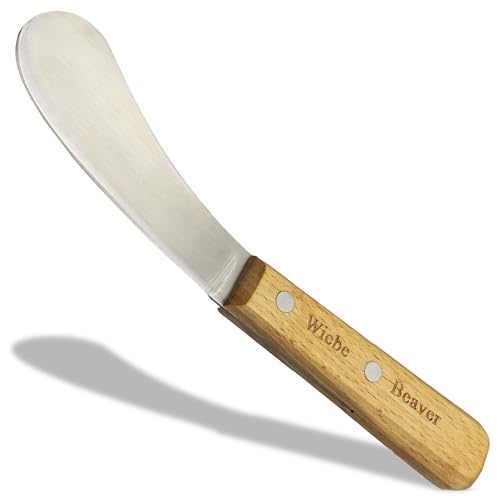

Table of Contents
Blade Type and Shape
The most common skinning knives feature a curved, narrow blade—think scalpel meets caterpillar. This shape is vital because it allows for clean, precise cuts along the hide and flesh without puncturing organs or wasting meat. A straight or tanto-style blade might be better suited for utility tasks, but for skinning, that gentle curve is king.
In the field, a flexible blade aids in separating hide from muscle, especially around tricky areas like the head or joints. The classic drop-point or slight belly profile has proven time and again to help hunters make controlled, safe cuts, even after hours of fatigue. Remember, versatility is great if you hunt different game, but for dedicated skinning, a blade optimized for this specific task is worth the investment.
Blade Material and Steel
The steel in your skinning knife dictates how well it holds an edge and how tough it is against corrosion. High-carbon steels like 1095 or O1 are favorites because they can take a razor edge and maintain it longer—crucial when you’re working in the cold, slippery, or bloody. But watch out: high-carbon steels require diligent maintenance to prevent rust, especially if you're hunting in humid environments.
Stainless steels such as CTS-204P or VG-10 are corrosion-resistant and tougher to ding up, but they might need more frequent sharpening. In the field, a dull knife is dangerous and frustrating, so choosing steel that balances edge retention with ease of sharpening is key. For early season archery or spring turkey hunts when you’re managing softer tissue, a high-quality stainless steel can save precious time and effort.
Handle Design and Comfort
A sturdy, ergonomically shaped handle ensures control and safety. After hours of slinging game, your grip must stay firm, even when your hands are cold and wet. Consider handles made of rubber, G-10, or Micarta—these materials resist moisture and provide good grip in adverse conditions. Avoid overly slick or overly bulky handles—they can cause fatigue and slips at critical moments.
In real hunting scenarios, I prefer a handle that fits naturally in my hand, giving me confidence on quick cuts around the joints or delicate work near sensitive tissues. Keep in mind: a sharp knife handled confidently reduces the risk of accidents—something safety-conscious hunters appreciate above all.
Blade Length and Thickness
When choosing a skinning knife, less is often more. A blade between 3 and 4 inches is ideal—long enough to cover large sections but not unwieldy in tight spots. Thinner blades (around 2.5mm thick) offer better flexibility for delicate skinning, while thicker blades excel in rougher jobs or for tougher hide work.
If you’re heading out early in the season with a large buck or mountain lion, consider a slightly longer blade to help cover the bigger area without multiple cuts. For turkey or waterfowl, smaller, thinner blades allow for precise work near delicate feathers or skin. Balancing length and thickness ensures you can handle a variety of scenarios efficiently.
Additional Features and Durability
Look for knives with reinforced full tang construction—this means the blade runs through the handle, offering added strength during tough prying or pulling. A corrosion-resistant coating or a coated blade also helps in the wet, cold conditions you often face early mornings or late-season hunts.
Some hunters swear by models with a gut hook, but I recommend focusing on a good versatile skinning knife first. Gut hooks can be handy, but they often become dull quickly and can accidentally puncture organs if you're not careful. Consider a clip or lanyard hole—these small features make it easier to carry and access your knife quickly while climbing or sitting in a blind.
Maintenance and Practical Tips
In the field, your skinning knife is only as good as your maintenance routines. Regular honing keeps the edge sharp for quick skinning, and a light oil coating prevents rust if you’re hunting in damp or salty environments. A simple sharpening stone or ceramic rod should be part of your pack if you’re serious about maintaining performance.
When field dressing, take care not to pry or twist excessively—this can chip or bend blades made of softer steel. Use a soft cloth or leather strop to touch up your blade between animals. And don’t forget: a dull knife isn’t just frustrating—it's dangerous, so sharpening regularly is a must, especially if you plan multiple jobs in a single outing.
Frequently Asked Questions
What is the best knife blade for skinning deer?
A curved, drop-point blade around 3.5 inches in length made of high-carbon steel offers the perfect balance of control and finesse for deer skinning.
Should I get a fixed blade or folding skinning knife?
Fixed blades tend to be more durable and easier to clean, making them the preferred choice for serious hunters in the field.
What handle material is best for cold weather?
Rubber, G-10, or Micarta handles perform best in cold, wet conditions—they won’t slip and tend to stay comfortable longer.
How often should I sharpen my skinning knife in the field?
Sharpen it after every couple of animals—just a quick hone to keep the edge sharp. For best results, carry a small field stone or ceramic rod.
Can I use the same knife for skinning and general camping tasks?
While versatile, it’s best to dedicate a good skinning knife for butchering to maintain its edge and avoid cross-contamination. Use a separate utility knife for camp chores.
What’s the biggest mistake hunters make when choosing a skinning knife?
Ignoring blade quality and ergonomics; they pick based on price or appearance rather than performance in tough field conditions.
Choosing the right skinning knife isn’t just about selecting the fanciest tool—it’s about matching your needs with quality craftsmanship, steady performance, and comfort under real-world field conditions. Spend wisely, keep it sharp, and practice your technique regularly. Your success in every hunt depends on it.
Next step? Head to your local gear shop or trusted online retailer and handle a few options. Find the one that feels right in your hand—then get out there and put it to work. Good luck, and stay safe in the wilds.


