

How To Choose The Right Field Dressing Kits
When you're out in the woods chasing that buck during the rut or setting up for a spring turkey hunt, the last thing you want is to be caught unprepared for field dressing. A dependable, well-packed field dressing kit can make the difference between a quick, clean process and a messy, frustrating ordeal. Over the decades, I've learned that the right gear isn't about fancy gimmicks but about real performance when it counts — in the cold, under pressure, and with limited light.
Our Top Picks
Affiliate disclosure: if you buy through these links, we may earn a commission at no extra cost to you.
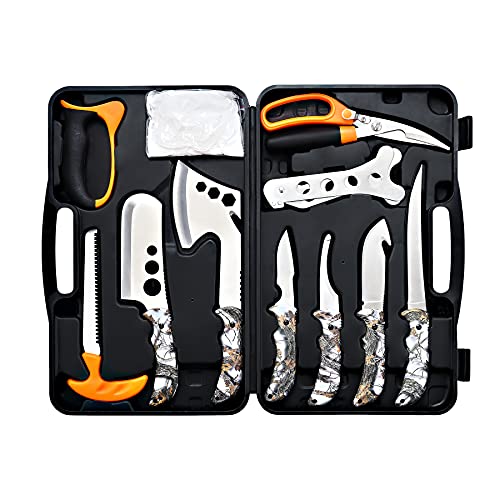

Choosing the right kit means understanding your needs, the environment you'll hunt in, and what essentials will serve you best. Let’s break down how to find a field dressing kit tailored to your hunting style, gear loadout, and the game you pursue.
KNINE OUTDOORS Hunting Deer Knife Set Field Dressing Kit Portable Butcher Game Processor Set, 12 Pieces
$59.97Check Price
Table of Contents
Why a Proper Field Dressing Kit Matters
Field dressing is the first critical step after a successful hunt — it’s about ensuring the meat remains in prime condition and the process goes smoothly. If your kit is ill-equipped or poorly organized, you waste precious time, risk contaminating the meat, or even injure yourself. Over the years, I’ve seen hunters struggle with dull knives, incomplete sets, or gear that doesn’t withstand the cold or moisture. A good kit is an investment in your success and your meat’s quality.
In early-season archery or spring turkey where you’re often in brushy, humid conditions, your tools need to resist rust and be easy to clean. During the rut or late-season waterfowl, ruggedness and all-weather readiness become paramount. Know that the right kit adapts to your environment, saving you frustration and preserving your craft.
Key Components of a Field Dressing Kit
A complete kit should include several core items, but don’t fall for gimmicks—prioritize quality over quantity. Here’s what matters:
- Sharp, reliable knives: A sturdy folding or fixed blade with a non-slip grip is essential. A dull blade doubles your effort and risks accidents.
- Skinning or gutting gloves: Durable, disposable gloves keep your hands clean and protect against contamination from blood or bacteria.
- Gasket or zip ties: For securing the carcass or bleeding out game efficiently.
- Small axe or hatchet: Useful for larger animals or if hoof removal is needed.
- Cleaning supplies: Antiseptic wipes, a small bottle of disinfectant, or biodegradable soap for quick cleanup.
- Storage bag or pouch: Keep everything organized and accessible, especially when setting up in the dark or cold.
Matching Your Kit to Your Hunting Scenario
Your choice depends heavily on the species, environment, and your hunting style. For early season archery in open hardwoods, a lightweight, compact kit is your friend—you want mobility and quick access. If you’re pursuing elk in rugged mountain terrain during rut, robustness and extra tools like a saw or bone cutter are warranted. Waterfowl hunters, especially in marshy conditions, need waterproof storage and rust-resistant gear that handles humidity.
Think about the length of your recovery and dressing times. For extended stays, add extra supplies like a small tarpaulin for a clean work area or insulated gloves for cold weather. For quick hunts, stick with essentials only — speed and efficiency matter most.
Durability and Practicality in the Field
Your kit must withstand moisture, cold, and rough handling. Cheap plastic cases tend to crack after a season; look for rugged, sealed containers. Knives should have a corrosion-resistant finish and maintain their edge despite frequent cleaning. Gloves need to be durable enough for multiple uses but also disposable for sanitation.
In real-world hunts, I’ve seen folks choose shiny, low-grade blades that dull after a few uses or end up with gloves that tear during initial handling. Spend the extra few bucks on gear designed for tough outdoor use. It pays off in performance when hunting at dawn or in downpour conditions.
Transport and Storage Considerations
Once you’ve selected your components, how you carry them matters. A compact, hard-sided case with lockable latches keeps everything contained and prevents lost items in your pack. For longer hunts, a dedicated pouch attached to your hunting pack minimizes fumbling in the dark or rain. Consider how you’ll clean and sanitize your gear after use—some hunters keep a small bottle of disinfectant and wipes in their kit for quick post-hunt cleanup.
Remember, the compartmentalization of your kit reduces the chance of cross-contamination and keeps your gear organized for that critical moment when you need it most.
Making the Final Choice & Tips to Use It Effectively
When shopping, prioritize quality components tailored to your typical game and environment. Read reviews from seasoned hunters, and don’t hesitate to ask for recommendations at your local outdoor store. Once you have the kit, practice using it—know where each tool is, how to safely handle your knives, and the correct steps to field dress efficiently. The real secret is in repetitive practice; familiarity turns a stressful situation into routine.
On your next hunt, bring that well-organized kit along and use it in your prep at camp or directly on the carcass. Every minute counts, especially in cold weather, and knowing you have dependable gear makes all the difference.
Frequently Asked Questions
What’s the most essential item in a field dressing kit?
A sharp, reliable knife is paramount. Without it, everything gets more difficult and messy.
Should I carry a separate kit for large game like elk?
Yes, larger animals require stronger tools like bone saws or larger blades, and a more rugged case for transportation.
Is it worth investing in waterproof storage for my kit?
Absolutely. Wet gear leads to rusted blades and contaminated meat. A waterproof, sealed box or pouch is a smart upgrade.
How do I sanitize my tools after a cold weather hunt?
Wipe blades and gloves with antiseptic wipes or rinse with clean water if possible, then dry thoroughly and store in a dry place.
Can I use my general purpose knives for field dressing?
You can, but specialized gut hooks or knives with a non-slip grip designed for dressing often perform better and are safer.
How often should I replace or sharpen my knives?
Sharpen after every few uses, especially in the cold or if you’re processing multiple animals. Dull blades are dangerous and slow down your work.
Choosing the right field dressing kit isn’t about chasing the latest gimmick — it’s about selecting trusted tools that perform when it matters most. Invest wisely, practice often, and you’ll find that clean, efficient field dressing becomes second nature, even in the cold or rain. Get your gear dialed in now, so the first hard-light dawn of your next hunt finds you ready.
Frequently Asked Questions
How do I choose the right field dressing kit for my hunting style?
To choose the right kit, assess whether you prioritize portability or comprehensive tools; lightweight kits are ideal for backpack hunts, while heavy-duty kits with larger knives suit ground blinds where space is available. Look for sheathed blades and durable containers that can withstand wet conditions without compromising access to your essential tools.
What is the best type of knife included in a field dressing kit?
The best kits typically include a high-carbon steel skinning knife with a curved blade designed for efficient removal of hide and viscera. Ensure the knife features a secure locking mechanism and a comfortable grip to maintain control while working on slippery game animals.
Is it worth investing in a dedicated field dressing kit versus using separate tools?
Investing in a dedicated kit is worth it because it consolidates essential items like gut hooks, needles for suturing, and cleaning cloths into one waterproof container. This organization saves critical time in the field when you need to process game quickly before spoilage sets in.
How do I choose a kit that fits inside my hunting backpack?
Select a kit with a compact, collapsible design or one that utilizes MOLLE webbing compatible with your existing pack. Measure the storage compartments of your specific hunting backpack to ensure the kit does not exceed the dimensions of your designated gear pocket.
What is the best material for the container of a field dressing kit?
The best containers are made from heavy-duty, puncture-resistant nylon or reinforced plastic that can be submerged in water for cleaning. These materials also provide insulation to keep sharp tools safe and prevent contents from leaking onto other gear.
How do I choose a kit that includes proper disposal bags?
Choose a kit that comes with heavy-duty, biohazard-rated plastic bags specifically sized for game viscera to comply with local hunting regulations. Ensure the bags are included in the package so you do not have to carry extra waste containers separately.
Is it worth having a field dressing kit that includes suturing supplies?
Yes, it is worth having a kit with suturing needles and thread if you plan to harvest animals in remote areas where immediate transport is not possible. These supplies allow you to close the abdominal cavity effectively, which helps prevent contamination and speeds up the cooling process of the meat.


