

Best Field Dressing Kits For Everyday Use
🏆 Top Picks at a Glance
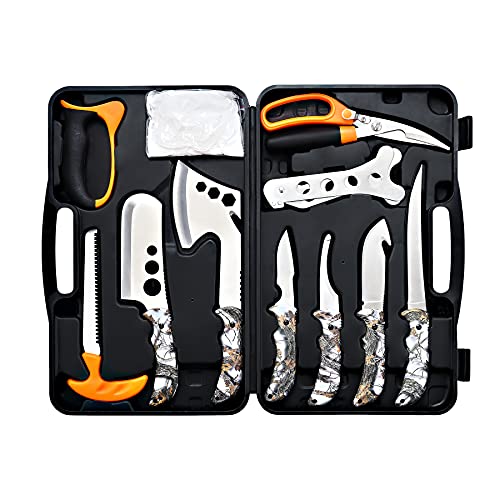 #1
#1
Best Overall
KNINE OUTDOORS Hunting Deer Knife Set Field Dressing Kit Portable Butcher Game Processor Set, 12 Pieces
$59.97
Check Price → #2
#2
Runner Up
KNINE OUTDOORS Hunting Deer Knife Set Yellow Handle Field Dressing Kit Portable Butcher Game Processor Set, 12 Pieces
$54.97
Check Price → #3
#3
Best Value
Mossy Oak Hunting Field Dressing Kit - 10 Piece Portable Butcher Game Processing Set with Storage Case, for Deer Hunting, Fishing, Camping, Survival
$47.49
Check Price →Our Top Picks
Affiliate disclosure: if you buy through these links, we may earn a commission at no extra cost to you.
Factors to Consider
Essential Components of a Field Dressing Kit
⚡ Quick Answer
After decades in the stand I won’t leave the truck without gloves, a sharp skinning/boning knife, a folding saw, game bags, a multitool, and a small sharpening stone — those are the non-negotiables. The Hunting Terrain lists field dressing kits and navigational tools among 30 essential items every hunter needs, and for good reason: missing one of these turns a promising morning into a long, cold problem. Pack spare blades and a roll of tape or zip ties for quick fixes; when the sun rises at 5 AM you don’t want a broken blade or no way to bag quarters.
Table of Contents
Blade Quality and Knife Types
Choose a dedicated skinning blade plus a tougher boning or caping knife — thin, curved blades for skinning and thicker, stiff blades for joint work make life easier. High-carbon steels hold an edge longer but need more care; stainless will resist rust when conditions are wet. Regular maintenance and familiarity with your knives matter as much as the brand — sharpen before season and practice field cuts so you’re not learning on a cold rut morning.
Portability and Backpack Integration
Your field kit should integrate into the pack you already trust — a durable, comfortable backpack is necessary for carrying supplies, game, and weapons, especially on long carries. Look for knives with secure sheaths, MOLLE-compatible pouches, and a kit that doesn’t rattle or shift when you shoulder out. If you hunt alone during rifle rut, a kit that tucks into a scent-proof game bag compartment or has external straps for quartering meat will save you sore shoulders.
Weather Resistance and Materials
We hunt in wind, rain, and ice; corrosion-resistant blades, waterproof sheaths, and nitrile gloves are practical choices that stand up to blood and moisture. Investing in weather-appropriate apparel and gear pays dividends — staying dry and warm keeps your hands steady and your cuts clean. Don’t be seduced by gimmicks: look for materials that are proven in the field, not just flashy packaging.
Optics and Complementary Tools
A good kit pairs with optics and navigation — high-quality binoculars and a reliable rangefinder get you on target, then a compact kit finishes the job; Colson Task Force highlights that a good binocular is crucial for a successful trip. Include a headlamp with a red mode, a permanent marker for tagging, and extra game bags so you can quarter and pack quickly. Stateline Guns notes that having the right supplies can make the difference between success and an uneventful day — plan your kit to support the whole hunt, not just the shot.
Frequently Asked Questions
What should be included in a basic field dressing kit?
At minimum: nitrile gloves, a sharp skinning knife, a boning or caping knife (or replaceable-blade utility), a folding bone saw, game bags, a multitool, and a small stone or diamond sharpener. The Hunting Terrain lists field dressing kits among the 30 essential items every hunter needs, so treat this list as foundational and add items specific to your game and terrain.
Are disposable gloves enough, or should I carry heavier-duty gloves?
Carry both: disposable nitrile gloves for hygiene and quick changes, plus a pair of leather or insulated gloves for handling quarters and gear in cold weather. Disposable gloves protect meat from contamination, while heavier gloves protect your hands from the cold and from sharp bone edges during quartering.
How many knives do I need for effective field dressing?
Two is a practical minimum — a dedicated skinning knife and a stiffer boning/caping knife — plus a small folding saw for bone work. Regular maintenance and familiarity with your knives are crucial; sharpen before the season so you’re confident on the first morning of archery or rifle season.
Can my hunting backpack carry a whole deer, or do I need special gear?
A standard hunting backpack won’t carry a whole deer; you’ll quarter the animal and use a durable, comfortable backpack or a game cart/drag straps for the heavy loads. Investing in a pack designed for hauling game or having a partner and a plan is essential — a good backpack is necessary for carrying supplies, game, and weapons on long carries.
Is a bone saw necessary, or can I get by without one?
For most hunters a small folding bone saw or compact hand saw is worth its weight — it speeds through brisket and neck bones and keeps your knives from dulling prematurely. For turkeys and small game you can get by without one, but for deer and bigger animals a saw makes cleaner, faster quarters.
How important are binoculars and rangefinders to the field dressing process?
While optics aren’t used during dressing, they’re vital to the hunt leading up to it: spotting, identifying, and placing an ethical shot depends on optics, and Colson Task Force highlights that good binoculars are crucial for success. Bring optics on the walk-out too — they help in tracking and checking where gear or blood trails lead before you start butchering in the field.
How should I clean and maintain my field dressing kit between uses?
Clean blades with warm water and mild detergent, dry immediately, apply a light oil to steel parts, and store knives in dry sheaths. Regular maintenance and familiarity with your equipment are key — sharpen before season and inspect tool integrity so you aren’t caught off-guard on opening weekend, a point Stateline Guns emphasizes about the right supplies making a difference.
Conclusion
Field dressing kits are the sort of gear where practicality beats flash — gloves, a couple of reliable knives, a saw, game bags, and a multitool will cover most situations whether you’re glassing in early-season archery, chasing rut bucks in November, or dragging birds out of a flooded marsh. My recommendation: build a mid-priced kit with replaceable blades, corrosion-resistant finishes, and a game-hauling plan that fits your pack — it’ll be the gear you reach for at 5 AM when it counts.


