

How To Choose The Right Hunting Backpacks
Choosing the right hunting backpack isn’t just about grabbing the biggest one on the shelf or the flashiest camo pattern. It’s about matching your gear needs, the terrain, and the season—whether you're sneaking through early season archery woods or slogging through snow during late-season rifle hunts. A well-chosen pack keeps your gear accessible, your load balanced, and your mind focused on the game, not on your aching shoulders.
Our Top Picks
Affiliate disclosure: if you buy through these links, we may earn a commission at no extra cost to you.

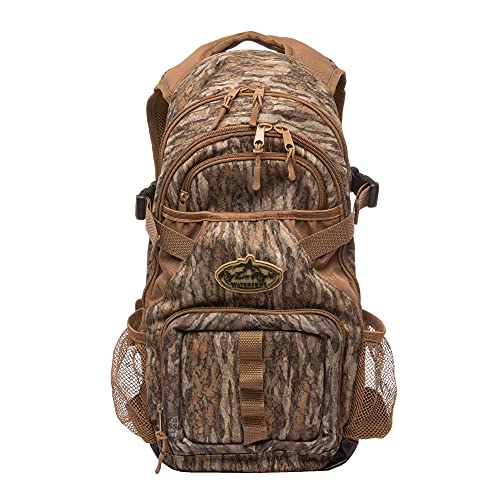

From sustaining you during a long day in the stand to ferrying out that big buck or bag of waterfowl, your backpack needs to be reliable and practical. Here’s how to cut through the gimmicks and find a pack built for real field conditions, one that won’t let you down when it matters most.
Table of Contents
Understanding Your Hunting Needs
Before you start scrolling through options, think about what gear you'll need to carry and the type of hunt you'll be on. Are you chasing big game deep in the woods where you'll carry out a quarter or entire animal? Or are you just looking to hunt over waterfowl and need a pack for decoys, calls, and a snack? Anatogically, your needs drive everything — a lightweight day pack won’t cut it if you’re lugging out a mature buck, but it might be perfect for a quick spring turkey run.
Consider the terrain and season too: in late winter, you’ll want a pack with enough insulation or the ability to carry extra layers and emergency gear. For early season deer, lightweight and ventilated might be best. Be honest about what you'll carry and how often you'll hunt—this focus helps narrow your choices greatly.
Size and Capacity Matter
The first rule of thumb: bigger isn’t always better. For most hunters, a 1800-2800 cubic inch (roughly 30-45 liters) pack hits the sweet spot. It offers enough space for essentials—water, snacks, extra layers, and a few gear accessories—without becoming a bulky weight. If you’re going on a multi-day backcountry hunt or planning to pack out game, look for packs around 3500+ cubic inches.
For quick morning hunts or spot-and-stalk outings, a smaller pack makes more sense—something snug, light, and less cumbersome. Always match your pack size to your typical outing length and gear load to avoid frustration in the woods.
Features to Prioritize
Look for compartments that make sense. You want quick access to your rangefinder, calls, or a headlamp without opening your main compartment. Hydration bladder sleeves are great if you're on the move, especially during early season when staying hydrated is key. Adjustable straps, MOLLE webbing, and compression straps help keep your gear tight and prevent shifting as you trek.
Some hunters swear by rain covers or waterproof zippers—nothing ruins a hunt faster than wet gear in a downpour. If you hunt in wet conditions frequently, invest in a pack that boasts waterproof materials or additional rain protection.
Durability and Material
You’ll be pushing your gear through thorns, briars, and sometimes rough stone or frozen ground. Durability is king. Heavy-duty ripstop nylon or polyester fabric with reinforced stress points will serve you well over multiple seasons. Think of your pack as a trusted partner—if it tears or fails, your hunt gets compromised.
Pay attention to zipper quality, strap reinforcement, and especially on the bottom of the pack—this is where abuse often happens. Waterproof coatings or sealed seams are a bonus for wet conditions, but even more important is stitching quality.
Comfort and Fit
Even the most feature-rich pack won’t do you any favors if it doesn’t fit well. Look for adjustable shoulder straps, a padded waist belt, and a sternum strap—these keep weight centered and reduce fatigue, especially on long hauls. Consider your torso length; some brands offer customizable harnesses for a better fit.
Remember, layering up during cold, early mornings means adding bulk to your shoulders and back. A well-designed pack distributes weight evenly and helps you maintain balance—vital when you’re sneaking past bedding whitetails or stalking pigs through thick cover.
Additional Tips for Picking Your Pack
Match your pack to your typical terrain and season — a large, multi-day pack isn’t needed on a quick spring turkey hunt, but it’s essential for backcountry mule deer trips. Also, consider modular systems that let you add or remove compartments depending on the mission. Don’t forget to think about camouflage pattern—blending into the environment is often the difference between a successful stalk and spooking game.
Finally, invest in quality. Your pack is the foundation for all your gear—it needs to last, perform, and keep your gear organized when the pressure’s on. Read reviews, ask seasoned hunters, and remember: the best gear in the world isn’t worth a dime if it doesn’t fit your needs.
Frequently Asked Questions
What size backpack is best for a day hunt?
Typically, a 1800-2800 cubic inch pack will cover most needs, providing enough room for essentials without being bulky.
Should I get a waterproof or water-resistant pack?
Waterproof packs offer peace of mind in wet conditions, but waterproof zippers and sealed seams are also important. For most hunters, water resistance combined with a rain cover works well.
How important is weight distribution?
Very important. Proper weight distribution reduces fatigue and keeps you stealthy. Look for packs with adjustable chest and waist straps designed to stabilize your load.
Can I use a backpack for all seasons?
Yes, but consider ventilation and insulation. Lightweight, ventilated packs are great for summer, while insulated or larger packs with more storage are better in winter or during extended trips.
What features make a backpack suitable for carrying game?
A dedicated game bag or expandable compartments to separate carcasses from your gear are key. Reinforced bottoms and easy access points also help when field dressing in the woods.
Is camo pattern really necessary on my pack?
Yes, if you’re stalking close or hunting in thick cover. A pack that blends with the environment helps you stay concealed, crucial during sneaky, close-range encounters.
Conclusion
Choosing the right hunting backpack boils down to understanding your specific needs—season, terrain, gear—and balancing durability with comfort. A pack that fits well and is built tough will become your trusted partner in every hunting adventure, from early season archery in the thicket to late-season rifle stands deep in the woods. Take the time to select wisely, and your gear will serve you reliably for many seasons to come. Now, get out there and find the pack that makes your hunts more successful and enjoyable.


