

How to Choose the Right Binoculars
There’s nothing worse than glassing hard at dawn, only to realize your binoculars can’t give you the clarity or brightness you need. Whether you’re stalking a buck through fall oak timber, scanning the marsh for a lone duck, or trying to spot that distant coyote in the failing evening light, quality binoculars are your first line of sight—and they’re worth the investment. Good glass can be the difference between a quick, ethical shot and a missed opportunity that haunts you through the season.
Our Top Picks
Affiliate disclosure: if you buy through these links, we may earn a commission at no extra cost to you.

But with so many options out there—porro prisms versus roof, different magnifications, coatings—it’s easy to get overwhelmed. My advice? Focus on what matters in the field: clarity, brightness, weight, and durability. Skip the gimmicks and look for gear that stands up to early season heat, cold winter mornings, and everything in between. Let’s walk through how to choose binoculars that work as hard as you do.
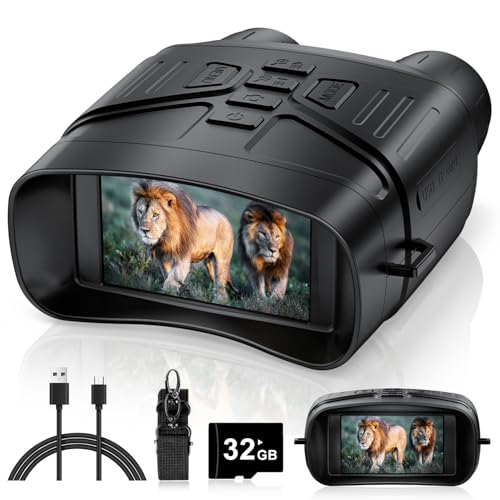
Night Vision Binoculars - Night Vision Goggles with Rangefinder, 4K Video, 48MP Photo, 1968ft Night Vision, 1200Yd Laser Range Finder, 5000mAh Rechargeable Digital Infrared Binoculars for Hunting
$169.99Check Price
Table of Contents
Understanding Binocular Specs
Binoculars are rated with two numbers, like 8x42 or 10x50. The first number indicates magnification—how many times closer the object appears. The second is the lens diameter in millimeters, which determines how much light the binoculars can gather. More light equals brighter images, especially in low-light conditions like dawn, dusk, or dense timber cover. Knowing how these specs work helps you pick the right tool for your hunting style.
For early season archery or late-season rifle hunts, where lighting isn’t perfect, opt for at least 8x42. These strike a balance between magnification and brightness, allowing you to cover terrain quickly and see detail without excessive weight or shakiness. For waterfowl or water hunts, consider waterproof, fog-proof options with similar specs—that extra protection pays off in damp conditions.
Magnification and Field of View
Magnification impacts how close things appear, but higher isn’t always better. A 10x binocular will get you closer, but it can be harder to hold steady—especially on a breezy day or without a tripod. An 8x offers a broader field of view, making it easier to scan and track moving game in dense cover or across wide-open fields.
Practical tip: When you’re stalking deer through the timber or glassing for waterfowl at a distance, both speed and a steady view matter. Consider an 8x42 if you want something versatile for most hunts. Save the 10x42 for longer glassing sessions from a stable platform like a treestand or blind.
Lens Size and Brightness
Lens diameter is your key to brightness. A larger lens (say 50mm vs. 42mm) captures more light, providing brighter images in low-light conditions—crucial during rut, dawn, or dusk hunts. The trade-off is weight: bigger lenses mean bulkier, heavier binoculars that wear on your neck after long hours in the stand. Choose a size that balances brightness needs with practical carrying comfort.
If you hunt in thick woods at first light or late in the day, lean toward 42mm or even 50mm lenses. For stand or spot-and-stalk hunts where mobility matters, 8x42 or 10x42 are often the sweet spot—bright enough and lighter to carry all day.
Durability and Waterproofing
Hunting often takes you into wet, cold, or dusty environments. Your binoculars should be waterproof and fog-proof. Nitrogen or argon purging prevents internal fogging, and rugged rubber-armored bodies handle bumps and knocks. Don’t skimp here—fragile glass or poorly sealed units won’t survive the elements or rough handling.
In the early season, when dew and rain are common, waterproof binoculars can save the day. If you’re packing a tree stand or ground blind, consider models with shock-resistance and non-slip grips to avoid accidents when moving through thick cover.
Weight and Handling
Long glassing sessions demand lightweight gear. Heavy binoculars cause fatigue and can make it tough to maintain a steady view. For those all-day stand sits or long scout trips, look for compact, lightweight models—8x32 or 10x50 if you can handle a bit more weight for the brightness. Test the feel in your hands before buying; ergonomics matter when you’re glassing for hours at dawn’s first light or late evening shadows.
Practical tip: If possible, visit a store and hold several pairs in your hands, checking for grip comfort, balance, and ease of focusing. Remember, the best binoculars are the ones you’ll carry and use without fuss.
Additional Features Worth Considering
Some extras can make a big difference. Lens coatings improve light transmission—fully multi-coated lenses are best, especially for dawn/dusk glassing. Adjustable eyecups help with eye relief—important if you wear glasses or prefer a more custom fit. Field-of-view and close-focus distance can also influence how well you track quick-moving game or examine nearby terrain.
For serious hunters, consider models with tripod mounts, diopter adjustment for sharp focus on both eyes, and durable rubber armoring. These features are small investments that pay off in tough conditions, saving you frustration and ensuring reliable performance.
Frequently Asked Questions
What is the best magnification for hunting?
Most hunters find 8x42 or 10x42 to be the sweet spot, balancing image stability, field of view, and weight. Choose 8x if you prefer a wider view and easier tracking; go for 10x if long-range glassing is a priority.
Are expensive binoculars worth it?
Higher-end models often offer better optics, coatings, and durability. But you don’t need the top-of-the-line for most hunting. Focus on a reputable brand with good certifications for waterproofing and fog proofing. Affordable models from quality brands can perform well in the field.
Should I get waterproof or fog-proof binoculars?
Absolutely. Hunting environments are wet, and fogging inside your glass quickly ruins the view. Waterproof and fog-proof are must-have features for reliable performance across seasons.
How heavy should my binoculars be?
For all-day hunts, aim for under 25 ounces if possible. Lighter models like 8x32 or 10x32 are great for mobility, while bigger lenses (50mm) can push past 30 ounces—use them if you need brightness but plan to carry a strap or harness.
Can I use binoculars for waterfowl hunting?
Yes, waterproof binoculars are essential for waterfowl. Look for models with good coatings to cut glare on water surfaces and a close-focus distance to see ducks at different ranges.
Conclusion
Choosing the right binoculars isn’t about the latest gimmick or the most expensive model; it’s about matching your hunting style, environment, and budget with solid, reliable glass that performs when it counts. Focus on the specs—brightness, durability, weight—and test handling before you buy. With the right pair, you’ll see more game, make smarter decisions in the field, and enjoy a more successful outdoor season. Take your time, do your research, and next fall, you'll be glassing with confidence.


