

Skinning Knives Buying Guide What To Look For In 2
Our Top Picks
Affiliate disclosure: if you buy through these links, we may earn a commission at no extra cost to you.
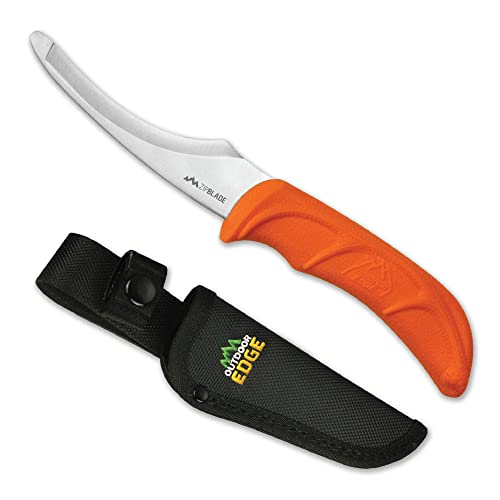

Factors to Consider
Understanding Different Types of Skinning Knives
⚡ Quick Answer
Skinning knives come in a few flavors — fixed-blade skinners, folding skinners, and specialty blades with gut hooks — and each has a place depending on the hunt. For big game in the rut or early-season archery where you might field dress on uneven ground, a stout fixed blade wins for strength and speed; Outdoor Life tested 15 fixed blades and five replaceable knives to sort the best performers. Folding knives can be lighter in a daypack for turkey or waterfowl hunts, but don’t expect them to replace a full-size fixed blade when you’re quartering a buck at 5 AM.
Table of Contents
Blade Steel and Edge Geometry Matter
Steel choice governs edge retention, toughness, and ease of sharpening — important when you’re several miles from a truck. Look for steels that balance wear resistance with toughness; the best hunting knives are judged on cutting performance and blade steel, not just looks. Also pay attention to slicing geometry: a thin, well-honed belly slices skin cleanly and reduces tugging, while a slightly thicker spine gives you the toughness needed for tougher jobs.
Ergonomics, Size, and Grip Control
A precision cutting instrument must fit your hand and give you control — this is where many knives fail in real-use scenarios like gutting in cold, numb fingers. Seek a controllable size with an ergonomic handle that won’t slip when wet; mm-scale differences feel huge at 5 AM in a stand or on a hillside. Expert testers and field hunters agree that the right blend of cutting geometry and grip is crucial for effective skinning and safety.
Sheaths, Carry Options, and Backpacks
A great blade is only as useful as the sheath and how you carry it; a poorly designed sheath can make access slow and unsafe when you’ve got blood and cold hands. Choose a sheath that secures the knife, protects the edge, and mounts where you actually reach — vest, belt, or pack. Don’t forget durable, functional backpacks: they’re essential for carrying your skinning knife and other gear deep into the timber and keep everything organized when the recovery gets long.
Durability, Maintenance, and Field Care
Plan to own a hunting knife for years — regular stropping and timely sharpening keep an edge that makes field work faster and cleaner. Maintenance routines are simple: clean, dry, and oil steels prone to corrosion, and use a guided stone or strop to maintain the slicing geometry. Remember that hunting gear improves success and safety in the field, so invest the few minutes after each hunt to preserve the tool that earns you the meat.
Frequently Asked Questions
What type of skinning knife is best for deer?
For most deer hunting scenarios I pick a fixed-blade skinner with a pronounced belly and a controllable handle — it gives you speed and confidence while skinning and quartering. Tests that informed 2026 recommendations leaned heavily on fixed blades for their consistent cutting performance.
Do I need a gut hook?
A gut hook speeds opening the abdomen without nicking the organs and is handy on big-game nights or when you’re new to field dressing. It’s not essential — a proper skinner and steady hand work fine — but it does reduce mess and makes field dressing quicker when temps are low and light is limited.
Fixed blade or folding knife for hunting?
I carry both: a fixed blade as my primary skinner and a folding knife for light tasks around camp or for small game. Outdoor Life’s 2026 tests highlighted the dominance of fixed blades for consistent field performance, while replaceable or folding knives have their place as backup tools.
Which knife brands and models should I consider in 2026?
Top picks for 2026 include the White River Knives Small Game Hunter and the Outdoor Edge RazorPro L for meat processors who want replaceable-edge speed. If you want a budget fixed blade that still performs, Outdoor Life noted the Buck Alpha Scout as the best budget fixed blade in 2026.
How often should I sharpen my skinning knife?
Sharpen after any hunt where the edge had visible wear or you felt it drag — for many active hunters that’s every few outings. Regular stropping after each use and a light stone session every few hunts keeps the geometry true and makes field work fast and safe.
What blade steels hold up best in the field?
There’s no single “best” steel, but look for a balance of toughness and edge retention suited to your maintenance routine; high-carbon options sharpen easily while some modern stainless alloys hold an edge longer with less care. The best knives are evaluated on blade steel and cutting performance, so choose a proven steel that matches how often you’ll maintain it.
Can I carry a skinning knife in my hunting backpack?
Yes — carry it in a secure sheath inside a dedicated compartment or mounted on the pack’s exterior where you can get it quickly. A durable, functional backpack is essential for carrying knives and other gear, and it keeps blades from dulling against other tools when you’re hiking out with a heavy load.
Conclusion
When you strip away the marketing, what matters is a knife that slices clean, fits your hand, and survives the long haul at first light. For 2026 I recommend starting with proven performers like the White River Small Game Hunter or the Outdoor Edge RazorPro L, and if you need a dependable budget fixed blade, the Buck Alpha Scout is worth a hard look.


