

Ladder Tree Stand Vs Hang On Tree Stand
When you’re sitting in a dark timber stand at 5 AM, watching the frost settle on the branches and waiting for that first movement in the brush, your gear is the only thing between you and a successful hunt. Choosing between a ladder tree stand and a hang-on isn't just about picking a seat; it’s about deciding how you intend to hunt. Are you committing to a single, high-traffic spot where you can settle in for the long haul, or are you planning to move with the deer as they shift their patterns from the food plot to the bedding cover?
This decision matters because it dictates your entire hunting strategy. A ladder stand offers a stable, comfortable, and easy-to-climb setup that’s perfect for fixed-spot hunting or mentoring a young hunter. A hang-on, on the other hand, is built for the mobile hunter who wants to follow the sign to fresh ground. Whether you're looking for the comfort of a permanent setup or the versatility to hunt a different tree every morning, understanding the trade-offs between these two styles is the difference between a wasted season and a trophy in the hand.
Affiliate disclosure: if you buy through these links, we may earn a commission at no extra cost to you.

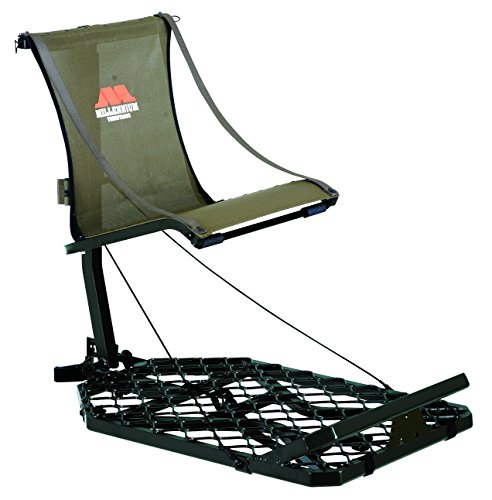
Table of Contents
- Models in this comparison
- Quick Verdict
- About Ladder Tree Stand
- About Hang-On Tree Stand
- Head-to-Head: Mobility vs. Fixed-Spot Hunting
- Head-to-Head: Comfort and the "Long Sit"
- Head-to-Head: Ease of Climb and Safety
- Who Should Choose Ladder Tree Stand?
- Who Should Choose Hang-On Tree Stand?
- Our Verdict
- Frequently Asked Questions
- Sources & References
Models in this comparison
Affiliate disclosure: if you buy through these links, we may earn a commission at no extra cost to you.
Quick Verdict
Choose Ladder Tree Stand if...
- You want a stable, easy climb with wide rungs and handrails rather than narrow climbing sticks.
- You are hunting a fixed, high-traffic spot where you plan to sit for long periods.
- You prioritize comfort, larger seats, and shooting rails for long sits during the rut.
- You are mentoring a new hunter, an older hunter, or someone with mobility issues.
- You want the ability to hunt with a second person, such as a child, in the same tree.
Choose Hang-On Tree Stand if...
- You want to hunt mobile, following deer patterns to fresh sign or different trees.
- You need a lightweight setup that can be carried to various locations.
- You want to apply pressure to different areas of your property as the season changes.
- You are comfortable with the steeper learning curve of using climbing sticks to reach your platform.
- You want a more compact, minimal footprint that leaves less behind in the woods.
| Factor | Ladder Tree Stand | Hang-On Tree Stand |
|---|---|---|
| Primary Purpose | Fixed-spot hunting at a high-traffic location. | Mobile hunting to follow shifting deer patterns. |
| Setup & Access | Includes a wide, self-supporting ladder for easy climbing. | Requires separate climbing sticks to reach the platform. |
| Comfort Level | High: Larger seats, backrests, and shooting rails for long sits. | Moderate: Compact and minimal to allow for portability. |
| Best For... | Mentoring new hunters, older hunters, or two-person hunts. | Hunters who want to move to fresh sign and apply pressure. |
| Key Advantage | Stability and ease of ascent with a secure, built-in ladder. | Versatility to hunt different trees as the rut or wind changes. |
| Main Drawback | Limited mobility; you are committed to one spot. | Steeper learning curve and requires additional gear (sticks). |
About Ladder Tree Stand
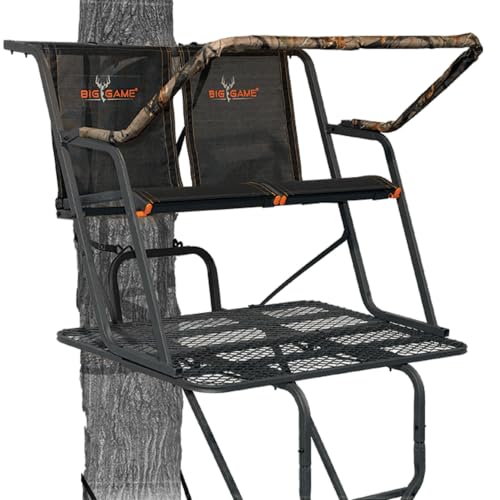
When you're looking at a ladder stand, you're looking at a commitment to a specific piece of ground. These stands are designed for the hunter who has a high-traffic spot—a bedding area or a food source—and wants to set up shop for the season. Because the ladder is self-supporting and features wide rungs and often handrails, the ascent is stable and straightforward. There is no complex maneuvering or transferring weight from narrow sticks to a platform in the dark. This makes them an excellent choice for older hunters, those with mobility issues, or when you're mentoring a kid or a new hunter to get them comfortable off the ground.
The real advantage of the ladder stand shows up during those long, grueling sits. Because you aren't lugging the stand through the brush, the design can prioritize comfort. You get larger, more supportive seats, backrests, and shooting rails to steady your rifle or bow. In the heat of the rut, when deer are moving at midday and you need to stay in the tree to be effective, that comfort is a massive advantage. Nobody kills a buck from a stand they have to climb out of at 9:m because their back is aching. Additionally, two-person ladder stands allow an adult and a child to hunt in the same tree, a feature you simply won't find with a hang-on.
About Hang-On Tree Stand
If the ladder stand is about staying put, the hang-on is about following the deer. A hang-on is a compact platform and seat designed to be light enough to carry into the woods. It is the tool of the mobile hunter—the one who wants to move to fresh sign, follow the acorns, or shift positions when the wind changes. While a ladder stand is a fixed-spot solution, a hang-on allows you to hunt a different tree three hundred yards away the next morning, applying pressure to different areas as deer patterns shift.
It is important to understand that a hang-on is an incomplete system until you purchase climbing sticks to reach the platform. The climb requires more technique and a cool head than a ladder stand, as you are stepping from narrow, spaced climbing sticks onto a small perch. Because of this, the margin for error is smaller, making safety gear even more critical. As the Tree Stand Safety Awareness Foundation notes, 99% of fall victims were not attached to the tree and 86% wore no harness. Whether you choose a ladder or a hang-on, you must stay tethered from the ground up. The hang-on offers the versatility to hunt almost any tree, but it trades away the heavy-duty comfort and ease of climb found in a ladder setup.
Head-to-Head: Mobility vs. Fixed-Spot Hunting
The first thing you need to understand is that these two stands answer completely different questions. A ladder stand asks, "Where will I hunt this season?" It is a commitment to a specific spot. You set it up, you leave it, and you return to it. It is designed for the hunter who has a high-traffic, reliable location and wants to own that ground for the long haul.
A hang-on, on the other hand, asks, "Where are the deer this week?" It is built for the mobile hunter who needs to follow the patterns. Whether it's acorns dropping, a shift in the rut, or a change in wind, a hang-on allows you to move to a different tree three hundred yards away the next morning. While the ladder stand is a permanent fixture, the hang-on is a seat you carry to wherever the deer are actually moving.
Head-to-Head: Comfort and the "Long Sit"
When you're sitting in the woods at 5 AM in the dead of winter, comfort isn't just a luxury—it's a hunting necessity. A ladder stand generally wins the long sit. Because it doesn't have to be carried through thick brush, it can afford to be larger and more robust. You get wider platforms, better backrests, and shooting rails to steady your rifle or crossbow. In the rut, when you need to stay put during midday movement, the ability to sit comfortably until two oclock can be the difference between seeing a buck and missing him.
A hang-on is a different beast. To be effective, it has to be light enough to carry into the woods, which caps how much comfort you can pack in. You're looking at a more minimal platform and a modest seat. While it's perfectly functional, you're trading that heavy-duty comfort for the ability to put pressure on new ground. If your back gives out halfway through a hunt, you aren't hunting; you're just waiting to go home.
Head-to-Head: Ease of Climb and Safety
The physical act of getting into the tree is where the two styles diverge most sharply. A ladder stand features a wide, self-supporting ladder with real rungs and often handrails. There is no complex technique involved; you simply walk up. This makes it the gold standard for mentoring a new hunter, an older hunter, or anyone who might be uneasy with heights. It provides a stable, secure ascent that lowers the odds of a slip.
Climbing a hang-on requires a cool head and practice. You are stepping from narrow, spaced climbing sticks onto a small platform, which involves transferring your weight in a way that can be intimidating to the uninitiated. While it is perfectly safe when done right, the margin for error is smaller. Regardless of which you choose, the rules of the woods remain the same: the Tree Stand Safety Awareness Foundation notes that 99% of fall victims were not attached to the tree, and 86% wore no harness. Whether you are on a ladder or a hang-on, you must stay tethered from the ground up.
Who Should Choose Ladder Tree Stand?
If you’re the type of hunter who looks at a piece of property and says, "This is where I'm going to be all season," then a ladder stand is likely your best bet. These stands are designed for fixed-spot hunting—you set it up, you leave it, and you return to the same reliable setup time and time again. Because they are self-supporting with built-in rungs and handrails, they offer a level of stability and ease of climb that a hang-on simply can't match. This makes them the gold standard for older hunters, those with mobility issues, or anyone who wants a secure, straightforward ascent.
There is also the mentorship factor to consider. If you are looking to take a child or a new hunter into the woods, a two-person ladder stand is often the only way to safely get two people into the same tree. When you're sitting in the woods during the heat of the rut or a freezing late-season morning, comfort is a tactical advantage. A ladder stand provides the room for better seats, backrests, and shooting rails, allowing you to stay in the tree during those critical hours when the deer are moving. If your goal is comfort and a reliable, easy-to-use setup for a specific high-traffic spot, go with the ladder.
Who Should Choose Hang-On Tree Stand?
Choosing a hang-on is a completely different philosophy. It’s for the hunter who asks, "Where are the deer moving this week?" rather than "Where will I hunt this season?" A hang-on is a mobile tool. It is designed to be carried into the woods, set up on fresh sign, and moved when the patterns change. Because they are lighter and more compact, they allow you to hunt a variety of different trees to keep the pressure off. However, keep in mind that a hang-on is an incomplete system until you purchase climbing sticks to reach the platform. You aren't just buying a seat; you're buying a mobility kit.
The trade-off for that versatility is a steeper learning curve. Climbing narrow sticks and transitioning to a small platform requires practice, a cool head, and much more technical skill than walking up a ladder. It is a more physically demanding way to hunt, but it allows you to follow the deer to the acorns, the crops, or the new bedding areas. If you want the ability to hunt mobile, pack in light, and put pressure on different parts of your property, the hang-on is the right tool for the job.
Our Verdict
After decades of sitting in the woods, I’ve learned that there is no such thing as a "perfect" stand—only the right tool for the ground you own. If you want a clear answer, it comes down to this: Are you hunting a spot, or are you hunting the deer?
If you have a consistent, high-traffic area where the deer consistently pass—a heavy oak grove or a reliable bedding area—and you want to sit in comfort from dawn until the late-afternoon rut, buy the ladder stand. It is the superior choice for stability, ease of climb, and comfort. It is also the only choice if you are mentoring a child or an older hunter, as the wide rungs and built-in access make it a much more accessible platform for two people. It’s a "set it and forget it" solution that lets you focus on the glass rather than your footing.
However, if your deer patterns are unpredictable—if they move based on heavy acorn drops, crop changes, or shifting winds—buy the hang-on. While a hang-on is an incomplete system that requires the additional purchase of climbing sticks to be functional, it offers the mobility you need to follow the scent trail to fresh sign. It allows you to put pressure on different parts of your property, preventing deer from learning your access routes.
The Bottom Line:
- Choose the Ladder Stand if: You want comfort, stability, and a reliable way to hunt the same prime spot every single day. It is the best choice for families and those prioritizing ease of access.
- Choose the Hang-On if: You are a mobile hunter who needs to move to new sign to find deer. It is the choice for the hunter who wants to stay one step ahead of the rut by moving their seat to the deer.
Regardless of which you choose, remember the golden rule of the woods: Stay tethered. Whether you are stepping off a ladder or transitioning from climbing sticks to a platform, a full-body harness is the only thing that matters when the wind blows or a footing slips. Don't let a cheap decision cost you everything.
Frequently Asked Questions
Can I hunt with two people in a single tree stand?
If you choose a ladder stand, yes. Many ladder stands are designed as two-person models, allowing an adult and a child to hunt in the same tree. This makes them an excellent choice for mentoring new hunters. A hang-on stand is designed for a single hunter and does not offer this capability.
Is a hang-on stand a complete setup right out of the box?
No. A hang-on is essentially a seat and a platform. It is considered an incomplete system until you purchase climbing sticks to provide access to the tree. In contrast, a ladder stand features a built-in, self-supporting ladder, making it a complete setup once it is installed.
Which stand is better for mobile hunting?
The hang-on stand is the winner for mobility. Because they are designed to be lighter and more compact, they allow you to move to fresh sign or different trees to follow shifting deer patterns. A ladder stand is a fixed-spot choice; once it is set up, it is meant to stay in that one location for the season.
Which stand is safer for someone uncomfortable with heights?
A ladder stand offers a significant safety and accessibility advantage for those uneasy with heights, older hunters, or those with mobility issues. It features a wide, stable ladder with rungs and often handrails. Climbing a hang-on requires stepping from narrow climbing sticks onto a small platform, which has a much narrower margin for error during the ascent.
What is the main trade-off between these two types of stands?
The decision comes down to fixed-spot comfort versus mobile versatility. A ladder stand offers a more stable, comfortable, and permanent hunting experience in a single location. A hang-on offers the ability to hunt mobile, pack in light, and apply pressure to different areas as deer patterns change.


