

Binoculars Vs Rifle Scopes Which Should You Buy
Listen, if you’ve spent any time glassing a ridge at 5 AM or sitting in a tree stand waiting for that one buck to step into the clearing, you know that optics aren't just another piece of gear. They are the most important investment you’ll make. You can have the finest rifle, the warmest wool, and the most expensive boots, but if your glass is junk, you’re going to lose animals. Bad optics cost you meat and they cost you the moment of truth. Whether you're looking at a pair of binoculars to spot movement in the timber or a rifle scope to place a precise shot, you need to know exactly what you're buying before you head into the backcountry.
In this comparison, we aren't comparing apples to oranges—we're looking at two different tools that serve two different purposes in a hunter's kit. A rifle scope is designed to be mounted on your firearm to assist in aiming, typically offering magnification ranges from 4x to 6x for versatile coverage. Binoculars, on the other hand, consist of two separate telescopes mounted side-by-side, allowing you to use both eyes for a more natural field of view. While they both magnify, they aren't interchangeable. One helps you find the target; the other helps you take the shot. If you're trying to decide where to put your hard-earned money in 2026, understanding these differences is the difference between a successful hunt and a long walk home empty-handed.
Affiliate disclosure: if you buy through these links, we may earn a commission at no extra cost to you.

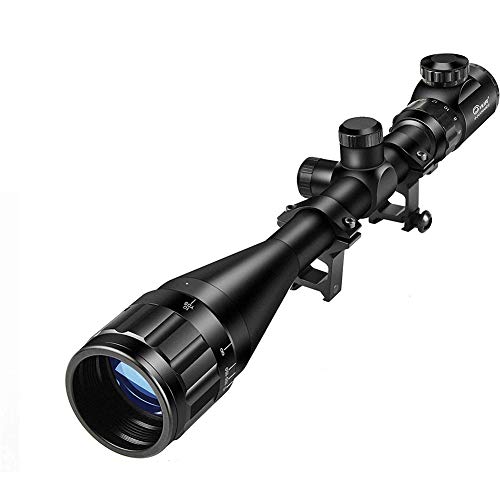

Table of Contents
Models in this comparison
Affiliate disclosure: if you buy through these links, we may earn a commission at no extra cost to you.
Quick Verdict
Choose Binoculars if...
- You need to glass large areas to find game during early season treks or scouting.
- You want versatile magnification, ranging from 8x-10x for general viewing to 20x-60x for long-range wildlife observation.
- You need a tool for observation, birding, or spotting animals from a distance before they ever know you're there.
Choose Rifle Scopes if...
- You are looking for the "moment of truth" to place a precise shot on a target.
- You need specialized magnification for shooting, such as 1x-4x for close-range coverage under 200 yards or 6x for more coverage.
- You need a mounted, reliable optic designed specifically to assist in aiming your rifle.
| Factor | Binoculars | Rifle Scopes |
|---|---|---|
| Primary Purpose | Observation, scouting, and wildlife viewing. | Precision aiming and shot placement. |
| Magnification Range | Wide range: 3x up to 60x or higher. | Typically 4x to 6x (though higher is possible). |
| Field Application | Scanning ridges or spotting game from a distance. | The "moment of truth" when pulling the trigger. |
| Key Advantage | Two-lens design for simultaneous, immersive viewing. | Designed to be mounted on a rifle for accuracy. |
| Main Drawback | Cannot be used to aim a rifle. | Limited field of view compared to binoculars. |
| Versatility | High: used for birding, scouting, and scanning. | Specialized: specific to shooting tasks. |
About Binoculars
When you're sitting in a tree stand at 5 AM or glassing a ridge during the rut, your binoculars are your eyes on the world. They consist of two separate telescopes mounted side-by-side, allowing you to use both eyes for a more natural, three-dimensional view of the terrain. This dual-lens setup is what gives you that depth perception that's vital when you're trying to judge the distance of a buck or spotting a movement in the brush. Depending on what you're hunting, magnification can vary wildly; while 8x to 10x magnification is often the sweet spot for birding or sports, you might reach for 20x to 60x for long-range wildlife viewing.
One of the practical advantages of binoculars is the versatility of magnification. You can find zoom binoculars with adjustable magnification—like a 10-30x range—controlled by a knob or wheel, a feature you won't find on a standard rifle scope. This makes them an essential tool for scanning wide landscapes before you even think about reaching for your rifle. They aren't just for spotting; they are for the hours of observation that lead up to the moment of truth.
About Rifle Scopes
A rifle scope is a specialized tool designed to be mounted directly to your firearm to assist in aiming. While binoculars are for observation, the scope is for the execution. Typically, a rifle scope is designed with approximately eight lenses, including two primary lenses, to provide a clear, magnified image of your target. Because they are built for precision, magnification ranges are often different than binoculars; common rifle scopes typically offer 4x to s 6x magnification, though higher ranges are available. If you're looking for close-range coverage under 200 yards, a 1x to 4x scope is often recommended, while 6x provides more coverage for longer shots.
It is important to recognize that these two pieces of gear serve different purposes and are not interchangeable. A rifle scope is a component of a weapon system, whereas binoculars are a standalone observation tool. You wouldn't use a scope to scout a valley, and you certainly can't use binoculars to take a precision shot. In the field, your optics are often your most important investment—more critical than your boots or your rifle itself—because bad glass costs animals. You depend on your scope to place that precise shot when it matters most.
Magnification and Field of View
When you're sitting in a tree stand at 5 AM, waiting for that first movement in the timber, you're looking for something very different than when you're behind the trigger. A rifle scope is a specialized tool designed for the moment of truth. According to Binocularman, common rifle scopes typically offer 4x to 6x magnification, making them ideal for precision. If you need coverage under 200 yards, a 1x to 4x scope is often the sweet spot, while 6x provides more versatility for longer shots. Because they are mounted to the rifle, they focus on the target at hand.
Binoculars, on the other hand, are built for the search. They consist of two separate telescopes mounted side-by-side to allow you to use both eyes, giving you a much more natural field of view. While rifle scopes are limited in their zoom ranges, binoculars can range from 3x to over 50x. For general wildlife viewing or sports, 8x to 10x magnification is often the best choice, but if you're glassing a ridge for long-range viewing, you might reach for 20x to 60x. Some zoom binoculars also allow for adjustable magnification via a knob, a feature you won't find on a standard rifle scope.
Purpose: Scouting vs. Shooting
It is important to recognize that these two pieces of glass serve entirely different roles in a hunter's kit. A rifle scope is a component of your weapon system, designed to help you place a precise shot. It is a specialized tool for the terminal end of the hunt. You don't use binoculars to take a shot, and you certainly don't use a rifle scope to scout the valley for a wandering buck. They are not interchangeable; one is for finding the animal, and the other is for the harvest.
Because of this difference, your investment strategy should reflect their roles. Optics are often considered the most important gear investment a hunter makes—frequently more critical than the rifle, your boots, or your clothing. You'll spend hours looking through binoculars to locate game, but you depend on your scope to execute that one decisive shot. When deciding which to buy, you aren't choosing between two identical tools; you are deciding which part of your hunting kit needs the upgrade first.
Who Should Choose Binoculars?
If your hunting style involves spending hours glassing ridges, scanning timber, or scouting for that one elusive buck before the season even begins, binoculars are your bread and butter. They aren't just a luxury; they are a tool for situational awareness. Because binoculars consist of two separate telescopes mounted side-by-side, they allow you to use both eyes to gain a better sense of depth and detail while scanning the horizon.
You should choose binoculars if you need versatility in magnification. While common rifle scopes often sit in the 4x to 6x range, binoculars offer a much broader spectrum, ranging from 3x to over 50x. This makes them indispensable for different tasks: an 8x to 10x setup is perfect for birdwatching or sports, while higher magnification—like 20x to 60x—is the go-to for long-range wildlife viewing. If you're looking at zoom binoculars with adjustable magnification (like a 10-30x range), you'll have the ability to adjust the magnification via a knob or wheel, a feature you won't find on a standard rifle scope. If your primary goal is spotting game at a distance or observing nature without the intent to take a shot immediately, binoculars are the right investment.
Who Should Choose Rifle Scopes?
Choosing a rifle scope is a different kind of decision because you aren's just "looking"—you are preparing for the moment of truth. A rifle scope is a specialized tool designed to be attached to your firearm to assist in aiming. While binoculars help you find the animal, the scope is what helps you harvest it. If your primary objective is precision at the moment of the shot, you need a scope.
You should choose a rifle scope if you need specialized coverage for your shooting distance. For example, if you are hunting at close ranges under 200 yards, a 1x to 4x rifle scope is often recommended to provide enough field of view, whereas a 6x magnification provides more coverage for longer distances. Because rifle scopes are built to be mounted on a firearm, they serve a singular, critical purpose: placing a precise shot. If you are looking for a tool to manage your shots in the field—whether it's a rugged setup for a mountain hunt or a specialized optic for a precision rifle—the scope is the essential component for your rifle.
Our Verdict
Listen, if you’re looking for a "one-size-fits-all" answer, you’re asking the wrong question. You don't use a skinning knife to field dress a deer, and you don't use a rifle scope to glass a ridge for a trophy buck. They are two different tools for two different moments in the hunt.
If you are deciding where to put your hard-earned money first, here is the reality: You need both. But they serve different masters. A rifle scope is your "moment of truth" tool. It is the precision instrument mounted to your rifle that ensures when you finally find that buck in the timber, you place the shot exactly where it needs to go. For close-range coverage under 200 yards, you'll want something in the 1x to 4x range; for more versatility, a 6x magnification is your sweet spot. If you're hunting tight cover or woods, that scope is your lifeline.
Binoculars, on the other hand, are your "scouting" tool. They are what you use for hours on end while glassing a valley or scanning a treeline. Because they consist of two separate telescopes mounted side-by-side, they give you the depth perception and field of view you need to spot movement. Depending on your hunt, you might lean toward 8x-10x magnification for general use, or much higher—up to 20x, 50x, or even 60x—for long-range wildlife viewing. They also offer adjustable zoom capabilities (like 10-30x) that you simply won't find on a standard rifle scope.
The Bottom Line: If you can only afford one right now, buy the binoculars to find the game, then buy the scope to harvest it. Don't compromise on either. A bad set of glass costs you animals, and in this game, that's a price no hunter wants to pay.
Frequently Asked Questions
Can I use my binoculars as a substitute for a rifle scope?
In short, no. While both tools magnify distant objects, they serve entirely different purposes in the field. A rifle scope is designed to be mounted on your firearm to assist in aiming and placing a precise shot. Binoculars consist of two separate telescopes mounted side-by-side to allow for simultaneous viewing through both lenses, making them ideal for glassing terrain or spotting game from a distance. You can't aim a rifle through binoculars, and you can't scout a ridge with a scope mounted on your gun.
What is the best magnification for hunting binoculars?
It all depends on what you're doing. If you are out for birding or general sports viewing, 8x to 10x magnification is often considered best. For hunters looking to spot wildlife at much greater distances, higher magnification—such as 20x to 60x—is often preferable. If you need versatility, look for zoom binoculars that allow you to adjust magnification via a knob or wheel.
What magnification should I look for in a hunting rifle scope?
Your choice depends on your hunting style and the distance of your shots. For close-range coverage under 200 yards, a scope with 1x to 4x magnification is recommended. If you need more coverage for longer distances, a 6x magnification is a common and effective choice. While some higher magnification scopes exist, they can be more difficult to use and less versatile in the field.
Which is a more important investment: optics or the rifle itself?
Many seasoned hunters consider optics to be the most important gear investment you can make—often more critical than the rifle, your clothing, or your boots. You'll spend hours looking through binoculars to find game, and you depend on your scope to place that precise shot at the moment of truth. Investing in quality glass is an investment in your ability to actually find and harvest game.


